A skim coat or full re-plaster depends on the condition of the wall. If the existing plaster is sound but the surface is rough, cracked or textured, a skim coat is usually enough. If it is hollow, crumbling or damp-damaged, it needs replacing. DAC Home Solutions assesses walls in Beckenham and across London before quoting.
At a glance
- Skim coat
- Thin finishing layer over a sound surface
- Full re-plaster
- Old plaster removed and replaced
- Quick test
- Tap the wall; a hollow sound suggests loose plaster
- Artex
- Older textured coatings may contain asbestos: test first
- Done by
- DAC Home Solutions plasterers
Last reviewed: October 2026. DAC Home Solutions, Beckenham.
What is a skim coat?
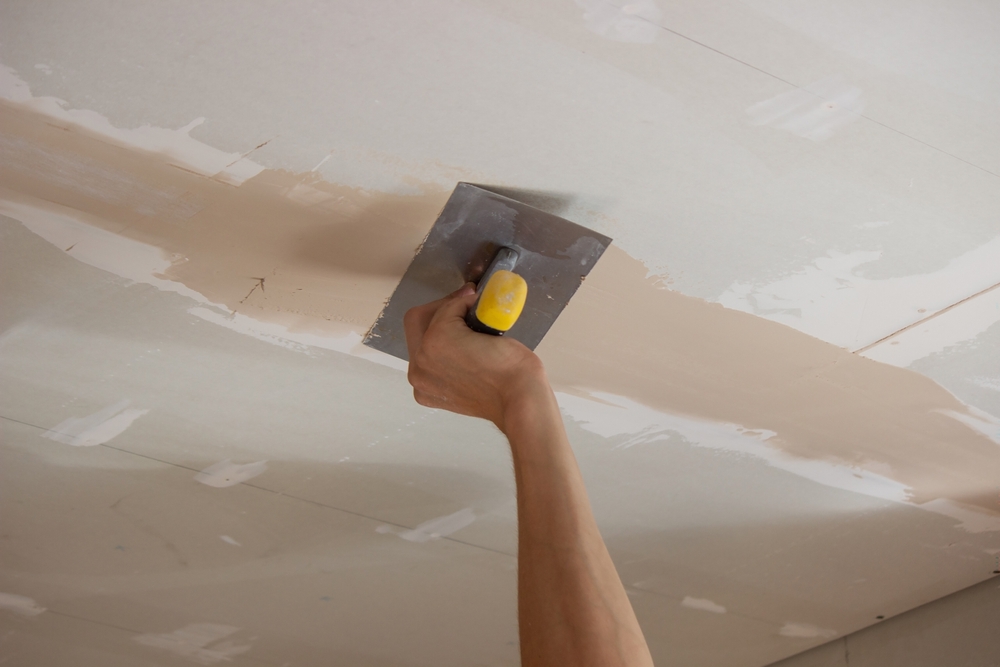
A skim coat is a thin, smooth finishing layer of plaster applied over an existing sound surface or over plasterboard.
It is commonly only a few millimetres thick. It hides minor cracks and uneven surfaces and leaves a flat base ready for decoration.

When is a full re-plaster needed?
A full re-plaster is needed when the existing plaster is no longer firmly attached or is badly damaged.
- The plaster sounds hollow when tapped, which suggests it has come away from the wall.
- It is crumbling, blown or flaking.
- It has been damaged by damp, once the cause of the damp has been fixed.
- Walls and ceilings have been opened up for rewiring, pipework or building work.
How do skimming and re-plastering compare?
The table summarises the main differences.
| Skim coat | Full re-plaster | |
|---|---|---|
| Suits | Sound walls with cosmetic problems | Loose, damaged or damp-affected plaster |
| What happens | Thin finishing layer added | Old plaster removed, new coats applied |
| Disruption | Lower | Higher, with more dust and rubbish |
| Before decorating | New plaster must dry fully | New plaster must dry fully |
Can artex be skimmed over?
Artex can often be skimmed over once it has been checked, but it must never be sanded or scraped before testing.
Textured coatings used in older properties can contain asbestos, which is dangerous when disturbed. Have it tested by an accredited asbestos surveyor before any work begins. The HSE guidance linked below explains the risks.
How long before I can paint new plaster?
New plaster must dry fully before it is painted, and the time depends on how thick it is and the room's heat and ventilation.
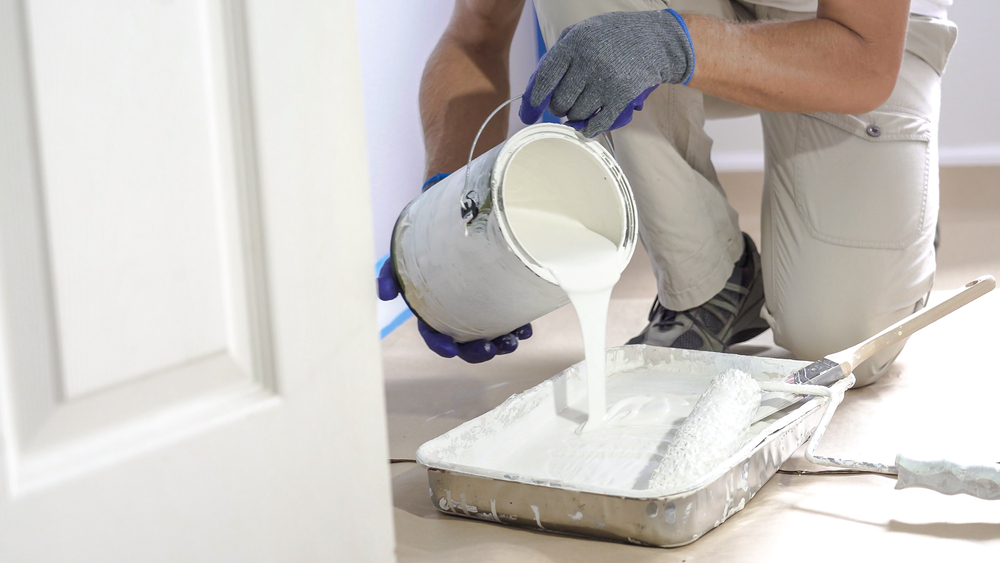
Painting too early can cause peeling and patchy finishes. Your plasterer will tell you when the surface is ready, and we coordinate with our decorating team so the handover from plastering to painting is smooth.